

Why Gutter installation Matters in Arkansas
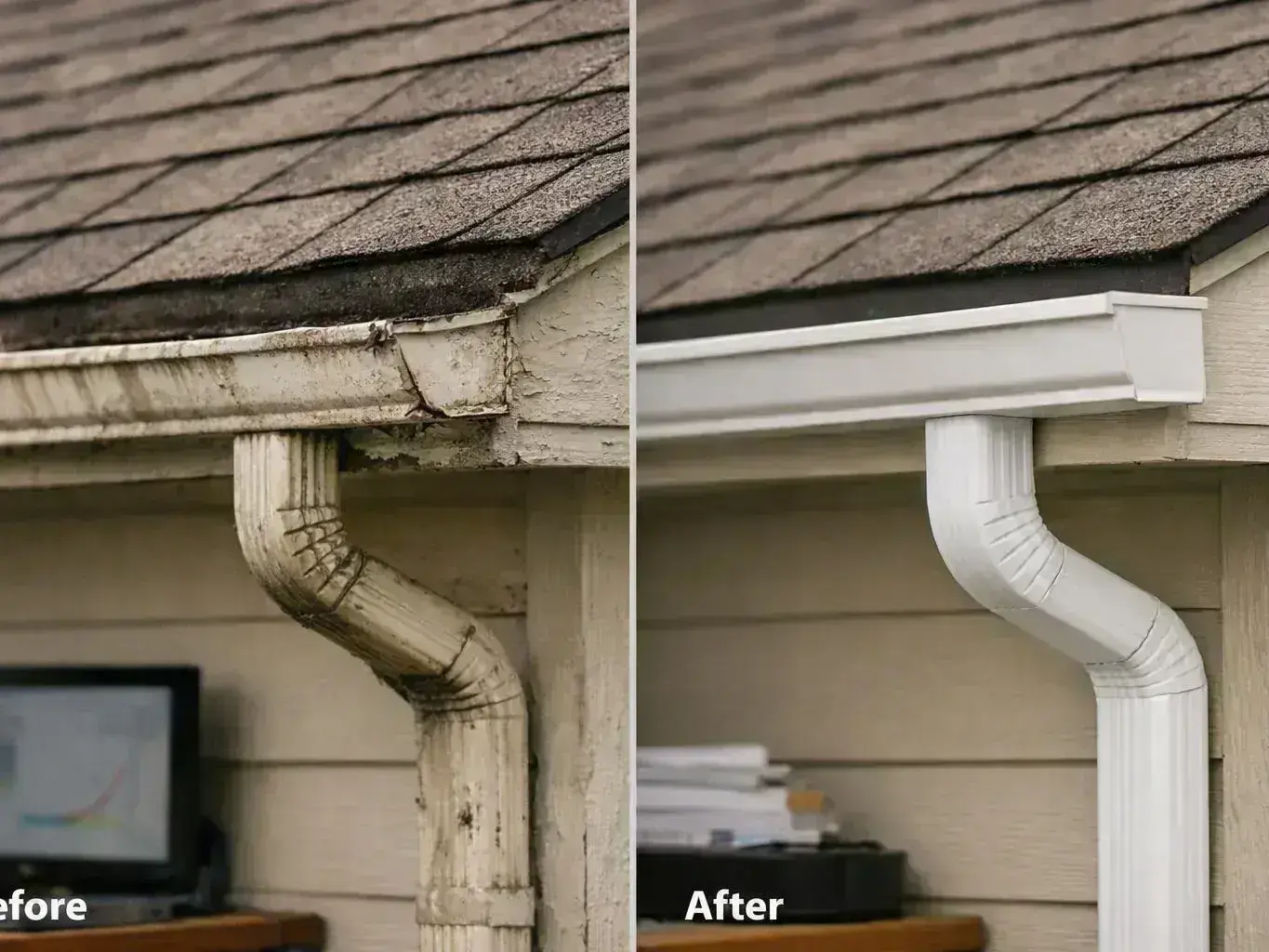
Gutter installation in Arkansas is more than just a home improvement project—it’s a essential step in protecting your property from the region’s unpredictable weather. Arkansas experiences a wide range of weather conditions, from strong rainfall to unexpected storms, which can lead to significant damage if not properly managed. A properly installed gutter system helps guide rainwater away from your home, stopping issues like foundation damage, underground flooding, and erosion around your property. For trustworthy Gutter Installation in Arkansas in Arkansas, AGM Gutters provides skilled guidance and useful solutions.
Residents in cities like Little Rock, Fayetteville, and Springdale realize the significance of reliable gutters. These areas are known for their regular rain events, and without sufficient installation, water can gather and cause long-term damage. The proper gutter system can also support lower the risk of damp and moisture, especially in wet regions like Fort Smith and North Little Rock.
Damage from poor gutter systems can be expensive to fix. In some cases, homeowners may face expensive repairs to their base, walls, or outdoor areas. That’s why putting in in high-quality gutter installation in Arkansas is essential. It not only protects your home but also raises its general importance and sustainability.
Common Gutter Types Used in Arkansas
In Arkansas, property owners and organizations have several gutter types to choose from, each with its own advantages. The most common options include aluminum, vinyl, and steel gutters. Aluminum gutters are lightweight, long-lasting, and immune to corrosion, making them a favorable option in residential areas like Conway and Rogers. Vinyl gutters are affordable and simple to set up, which is why they are commonly utilized in modern building works.
Steel gutters are stronger and can deal with heavy downpours, making them a suitable option for regions like Fayetteville and Little Rock. However, they require regular maintenance to prevent rust and corrosion. In commercial properties, continuous gutters are frequently selected because they reduce the risk of leaks and are easier to maintain over time.
The Arkansas climate plays a role in choosing the best gutter type for a property. For example, in areas with high humidity, materials that prevent moisture and mildew are crucial. Resident property owners in Bentonville and Pine Bluff often choose gutters that are functional and aesthetically pleasing, making sure they match the design of their residences.
How Arkansas Climate Affects Gutter Installation
The climate in Arkansas has a direct impact on gutter installation and maintenance. https://text.dsf.hs-heilbronn.de/5mYiXF6pQT2b8Kw0XQK5tA The state experiences a moist tropical climate, with warm summers and cool winters. This means that gutters must be able to handle heavy rainfall, which is common in cities like Little Rock and Fayetteville. During the early and late seasons months, unexpected storms can lead to flooding, making it important for gutters to be correctly installed and cared for.
Winter conditions in Arkansas can also affect gutter performance. While white precipitation is not common in most areas, periodic snow melting and freezing temperatures can cause frozen blocks. These can lead to water reversing direction into the home, causing damage on the roof and interior walls. In places like Fort Smith and Springdale, homeowners often choose gutters that are designed to handle these conditions.
Proper installation is important to ensuring that gutters can endure the region’s weather. In areas like North Little Rock and Conway, regional professionals understand the particular issues posed by the climate. They recommend installation techniques that account for the region’s rainfall patterns and thermal variations, ensuring that the gutter system works efficiently year-round.
Best Materials for Gutters in Arkansas
Picking the right materials for gutters in Arkansas is important for sustained results. The state’s weather, which includes substantial precipitation and elevated moisture, necessitates supplies that are both durable and weather-resistant. Aluminum is a popular selection due to its lightweight attribute and resistance to rust. It is commonly employed in dwelling regions like Fayetteville and Rogers, where residents want a reliable and minimal-effort selection.
Steel gutters are another choice, especially for business sites and homes in regions with heavy precipitation. https://pad.stuve.de/-MqYVs_lRB63zJt6gfrxow They are strong and can endure heavy water flow, but they require ongoing service to avoid rust. Vinyl gutters are a budget-friendly alternative, though they may not endure as long as metal choices. They are frequently employed in recent development projects in cities like Pine Bluff and Little Rock.
For residents in zones like Bentonville and Springdale, where the environment can be unpredictable, components that offer both durability and adaptability are ideal. Unbroken gutters, which are made from a single piece of metal, are typically recommended because they lower the risk of spills and are simpler to service. Selecting the right component guarantees that your gutter setup can handle the challenges of the Arkansas environment.
Experienced Gutter implementation Procedure
The experienced gutter setup workflow in Arkansas involves numerous key stages to ensure a trusted and long-lasting system. The first step is a site assessment, where a contractor reviews the roofline, existing gutters, and drainage patterns. This assists determine the best type of gutters and installation method for the home. In cities like Little Rock and Fayetteville, regional contractors frequently use this step to identify possible issues before installation begins.
Once the assessment is complete, the next step is to measure and cut the gutters to fit the home’s dimensions. This is where the expertise of a professional installer becomes essential. In areas like North Little Rock and Conway, contractors ensure that the gutters are installed at the correct slope to allow proper water flow. This helps prevent water from pooling and causing damage to the home’s foundation.
After the gutters are installed, the final step is to test the system by simulating rainfall. This ensures that the gutters are functioning as intended and that water is being directed away from the home. In cities like Fort Smith and Springdale, where heavy rainfall is common, this step is crucial to prevent future issues. A professional installation not only ensures a functional gutter system but also provides peace of mind for homeowners.
Emergency Gutter Repair Services in Arkansas
Despite the best installation efforts, gutters can still face harm due to the unpredictable weather in Arkansas. When this happens, emergency gutter repair services become crucial. Storms, heavy rainfall, and even falling debris can cause gutters to sag, crack, or detach from the residence. In cities like Little Rock and Fayetteville, where rainfall is regular, property owners frequently rely on local contractors for fast and effective repairs.
Emergency repair support in Arkansas are available through local companies that understand the particular challenges of the region. These services can address problems such as clogged gutters, leaks, and structural damage. In areas like Springdale and Fort Smith, where storms can be intense, prompt repairs are necessary to prevent further damage to the home. A professional repair team can assess the damage and provide solutions that restore the gutter system to full functionality.
Homeowners in cities like North Little Rock and Conway often choose emergency repair services that offer 24/7 availability. This ensures that any damage can be addressed quickly, reducing the risk of long-term issues. Whether it’s a small leak or a complete gutter failure, professional repair services in Arkansas are equipped to handle a wide range of problems.
Gutter upkeep Advice for Arkansas residents
Maintaining gutters in Arkansas is crucial for ensuring their long-term performance. Ongoing maintenance and inspections help prevent blockages, seepage, and damage caused by strong rainfall. In urban areas like Fayetteville and Little Rock, where precipitation is frequent, residents should plan gutter inspection at least two times a annum to keep the system functioning properly.
One of the most important upkeep responsibilities is removing debris such as foliage, sticks, and mud. These can gather in the gutters and impede the flow of fluid, leading to spill and potential damage. In regions like Springdale and Fort Smith, where trees are plentiful, extra frequent cleaning may be necessary to avoid obstructions. A straightforward review of the gutters can also aid identify any signs of damage or injury that need attention.
In addition to cleaning, assessing the gutters for adequate slope and alignment is important. If the gutters are not tilting correctly, fluid may not flow effectively, leading to accumulation and harm. In cities like North Little Rock and Conway, local professionals often suggest a upkeep plan that contains frequent checks and adjustments. By complying these tips, homeowners can extend the life of their gutter setup and stop expensive maintenance.
Gutter Installation Costs in Arkansas
The price of gutter installation in Arkansas varies depending on several elements, including the variety of components used, the size of the home, and the complexity of the setup. On average property owners can expect to pay between $500 and $2,000 for a common gutter installation. In cities like Little Rock and Fayetteville, where requirement for expert services is high, expenses may be marginally more expensive due to local labor charges and supply availability.
Metal gutters are usually the most cost-effective choice, with costs ranging from $3 to $7 per linear foot. Plastic gutters are also economical, though they may not last as prolonged as metal choices. Steel gutters, which are greater sturdy, can cost between $7 and $12 per linear foot. In regions like Springdale and Fort Smith, where significant rainfall is common, homeowners often opt for more durable materials to guarantee sustained function.
Additional prices may include labor, which can fluctuate depending on the installer and the complexity of the job. In urban areas like North Little Rock and Conway, local contractors often supply cost quotations based on the particular requirements of the real estate. It’s always a good idea to acquire several estimates and compare them to ensure that you’re obtaining a fair price for your gutter installation.
Building Codes for Gutters in Arkansas
Construction rules in Arkansas play a crucial purpose in ensuring that gutter systems are mounted correctly and safely. These regulations fluctuate by town and are created to guard property owners from possible damage caused by inadequate installation. In metropolitan areas like Little Rock and Fayetteville, local building departments implement unique regulations that control the size, location, and supplies used in gutter systems.
One of the important criteria is the accurate gradient of the gutters, which provides that fluid travels efficiently away from the property. In regions like North Little Rock and Conway, local codes may as well demand gutters to be installed at a particular range from the base to avoid water buildup. These guidelines help preserve the soundness of the property and reduce the chance of fluid damage.
Homeowners in cities like Springdale and Fort Smith should be aware of the particular building codes in their area. These codes commonly include needs for drainage installations and the use of approved materials. By following these guidelines, property owners can confirm that their gutter installation meets area guidelines and offers long-term protection for their building.
Indicators Your Gutters Call for Repair in Arkansas
Knowing the symptoms that your gutters need repair is vital for preserving a functional system. One of the most typical signals is water pooling around the foundation of your property. This can lead to basement flooding and structural damage, especially in areas like Little Rock and Fayetteville, where heavy rainfall is frequent. If you notice water pooling near your home, it may be a sign that your gutters are not directing water properly.
Another indicator is sagging or pulling away from the roofline. This can happen due to the weight of debris or improper installation. In cities like Springdale and Fort Smith, where trees are common, gutters can become overloaded with leaves and branches, leading to sagging. If you notice this issue, it’s important to address it promptly to prevent further damage.
Leaking or water stains on the walls of your home are also clear indicators that your gutters need attention. These issues can lead to mold growth and interior damage, especially in humid areas like Conway and North Little Rock. Regular inspections and maintenance can help catch these problems early, ensuring that your gutter system continues to function effectively.
What are the most common types of gutters used in Arkansas?
The most common types of gutters used in Arkansas include vinyl gutters. Aluminum is popular for its durability and resistance to rust, making it a good choice for residential areas like Fayetteville and Rogers. Aluminum gutters are cost-effective and easy to install, often used in new construction projects. Vinyl gutters are more robust and suitable for areas with heavy rainfall, such as Little Rock and Springdale.
How do climate conditions in Arkansas affect gutter installation?
The climate in Arkansas, which includes heavy rainfall and high humidity, has a direct impact on gutter installation. Gutters must be designed to tackle these conditions, making sure that water is properly directed away from the property. In cities like Fort Smith and Springdale, where snow melt and freezing temperatures can occur, gutters must be able to withstand these challenges. Correct installation techniques are essential to confirm that the installation functions efficiently throughout the year.
What materials are best suited for Arkansas weather?
Materials that are best suited for Arkansas weather include aluminum, steel, and vinyl. Metal is lightweight and resistant to rust, making it ideal for areas with high rainfall. Metal is sturdy and can tackle heavy water flow, making it a good option for commercial properties. Vinyl is cost-reliable and easy to maintain, often used in residential areas like Pine Bluff and Little Rock. Selecting the right material makes sure that your gutter setup can withstand the region’s weather conditions.
What is the common cost of gutter installation in Arkansas?
The standard cost of gutter installation in Arkansas ranges from $500 to $2,000, depending on the materials used and the size of the home. Aluminum gutters are generally the most affordable, with prices between $3 and $7 per linear foot. Steel gutters, which are more durable, can cost between $7 and $12 per linear foot. In cities like Little Rock and Fayetteville, where demand for professional services is high, costs may be slightly higher due to local labor rates and material availability.
What are the signs that gutters need repair in Arkansas?
Signs that gutters need repair in Arkansas include water pooling around the foundation, bending gutters, and water stains on the walls. These issues can lead to structural damage and mold growth, especially in humid areas like Conway and North Little Rock. If you notice any of these signs, it’s important to address them promptly to prevent further damage to your home.